
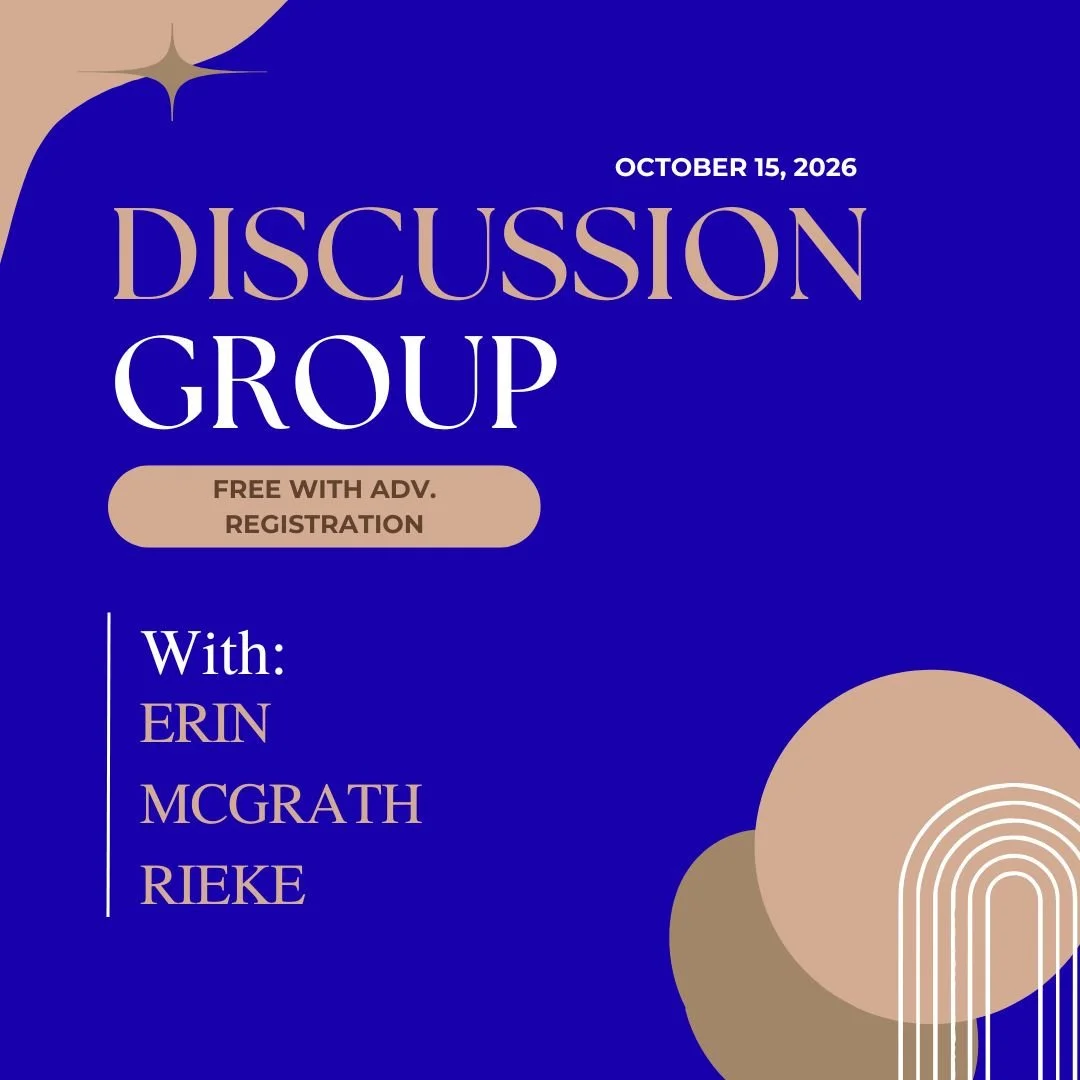
ONLINE DISCUSSION GROUP
VIOLENCE AGAINST WOMEN IN THE MEDIA
Thursday, October 15, 2026
7:00–9:00 PM CT
Online
October is Domestic Violence Awareness Month. This month’s online discussion will examine the ways violence against women is represented, reported, discussed, and consumed in contemporary media.
Recent allegations involving a former Cornell University student have once again placed sexual violence, institutional accountability, survivor credibility, consent, digital harassment, and the public treatment of women who report violence at the center of national conversation.
But this discussion is larger than any single case.
We will look at the language used when violence against women is reported, why the behavior and credibility of women are so often scrutinized, how social media changes the experience of reporting abuse, and the point at which public interest can become voyeurism, sensationalism, or another form of harm.
We will also consider domestic violence and the violence that occurs outside the stories that dominate national headlines. What receives coverage? What remains invisible? Whose stories are believed? And what responsibility do journalists, institutions, social media platforms, advocates, and ordinary people have when discussing another person's trauma?
SPEAKER & FACILITATOR
Erin McGrath Rieke
Artist, writer, mental health advocate, peer counselor, and founder of Just E Productions
Erin will open the evening with a brief presentation examining violence against women through the intersecting lenses of media, culture, advocacy, survivor experience, and public response. The remainder of the evening will be an open, facilitated conversation among participants.
ATTENDEES
This discussion is open to adults interested in thoughtful conversation about violence against women, sexual assault, domestic violence, media ethics, advocacy, cultural attitudes, and survivor support.
You do not need professional or academic experience with these subjects to participate. Attendees are welcome to speak, ask questions, share observations, or simply listen.
Because participants may have personal experiences with violence or abuse, no one will ever be expected to disclose personal information or identify themselves as a survivor.
EVENING SCHEDULE
7:00–7:10 PM | Welcome & Community Agreements
Introductions, purpose of the discussion, confidentiality expectations, and guidelines for discussing difficult material respectfully.
7:10–7:25 PM | Why This Conversation Now
A brief introduction to Domestic Violence Awareness Month and the recent Cornell case that has renewed public discussion about sexual violence, institutional responsibility, survivor credibility, and the role of media.
7:25–7:45 PM | Opening Presentation
Violence Against Women in the Media
We will consider:
• the language used to describe survivors and alleged perpetrators
• victim blaming and the scrutiny of women's behavior
• consent, intoxication, power, and credibility
• sensationalism versus responsible reporting
• social media, doxxing, harassment, and trial by public opinion
• institutional responses to allegations of sexual violence
• the difference between legal standards, institutional findings, and public judgment
• whose stories receive attention and whose remain largely invisible
7:45–8:15 PM | Media & Cultural Discussion
A facilitated examination of how stories involving sexual assault and domestic violence move through news coverage and social media.
Questions will include:
Why are survivors so often required to establish their own credibility before the alleged conduct itself is seriously examined?
How does the language surrounding sexual violence influence what the public believes happened?
When does reporting inform the public, and when does it begin to exploit trauma?
How have social media and online commentary changed what happens to someone after they report violence?
Why do certain cases become national stories while countless others receive little or no attention?
8:15–8:25 PM | Break
Participants are encouraged to step away, get water, or simply take a few quiet minutes before we continue.
8:25–8:50 PM | Open Group Discussion
Participants will be invited to respond to the presentation, raise questions, discuss media examples, and consider the larger cultural conditions that allow violence against women to persist.
The goal is not to reach complete agreement. It is to examine our assumptions, listen carefully, and consider how the way we talk about violence can either reinforce harm or challenge it.
8:50–9:00 PM | Closing Conversation & Resources
We will close by asking a practical question:
What does it look like to respond differently?
We will consider how individuals can support survivors, challenge victim-blaming language, consume media more critically, recognize warning signs of abuse, and help create communities in which violence is taken seriously before it becomes a headline.
COMMUNITY AGREEMENTS
This is a trauma-informed discussion.
Participants are asked to respect confidentiality, avoid graphic descriptions of violence, refrain from identifying survivors without their consent, and speak about ongoing cases carefully and accurately.
Disagreement is welcome. Personal attacks are not.
No participant will be asked to share a personal experience.
Listening is participation.
You may step away from the conversation at any time.
CONTENT NOTICE
This discussion will address sexual assault, rape, domestic violence, coercive control, harassment, victim blaming, and violence against women. Please participate in whatever way feels appropriate for you.