Broken Heart Disease
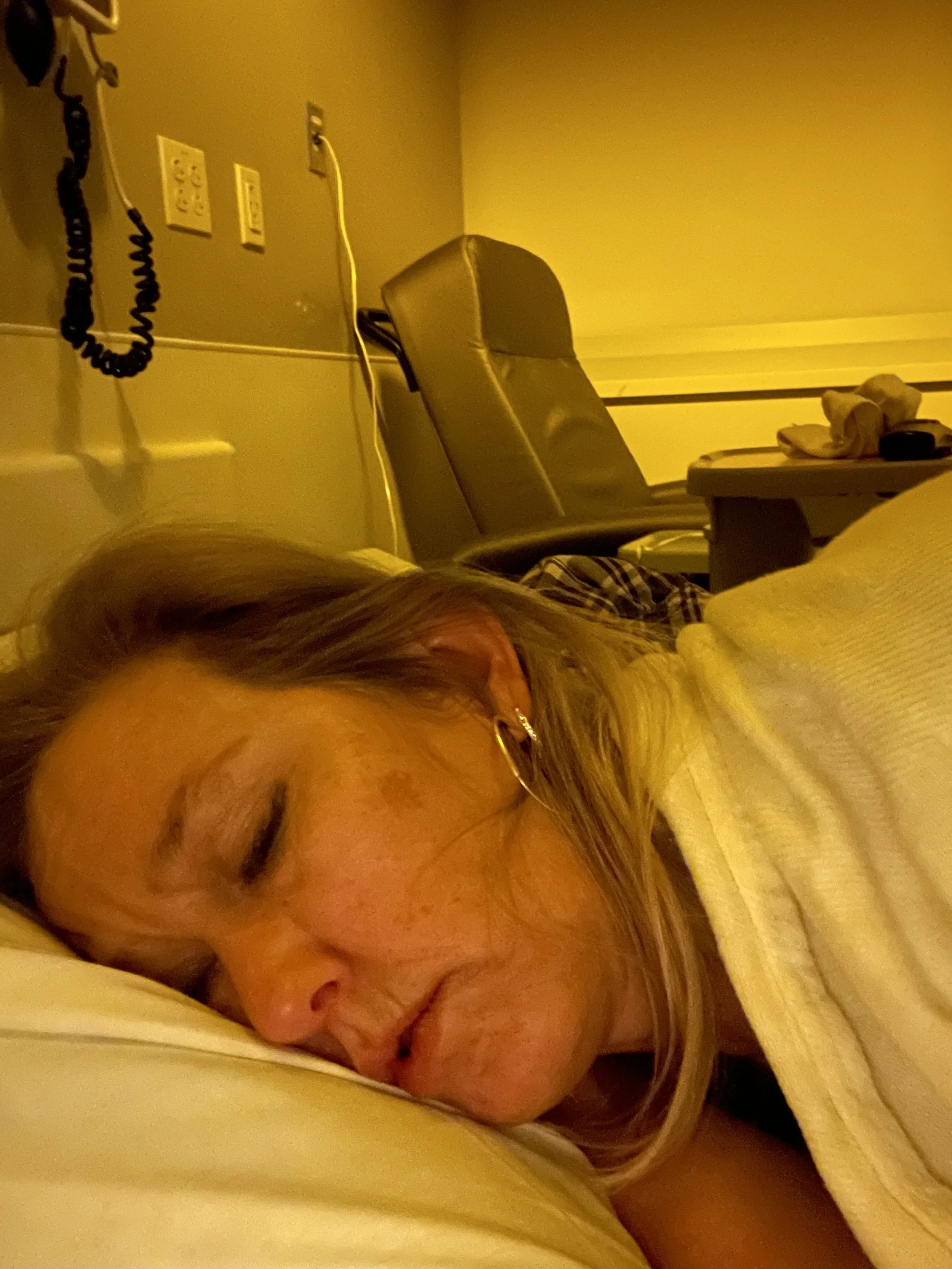
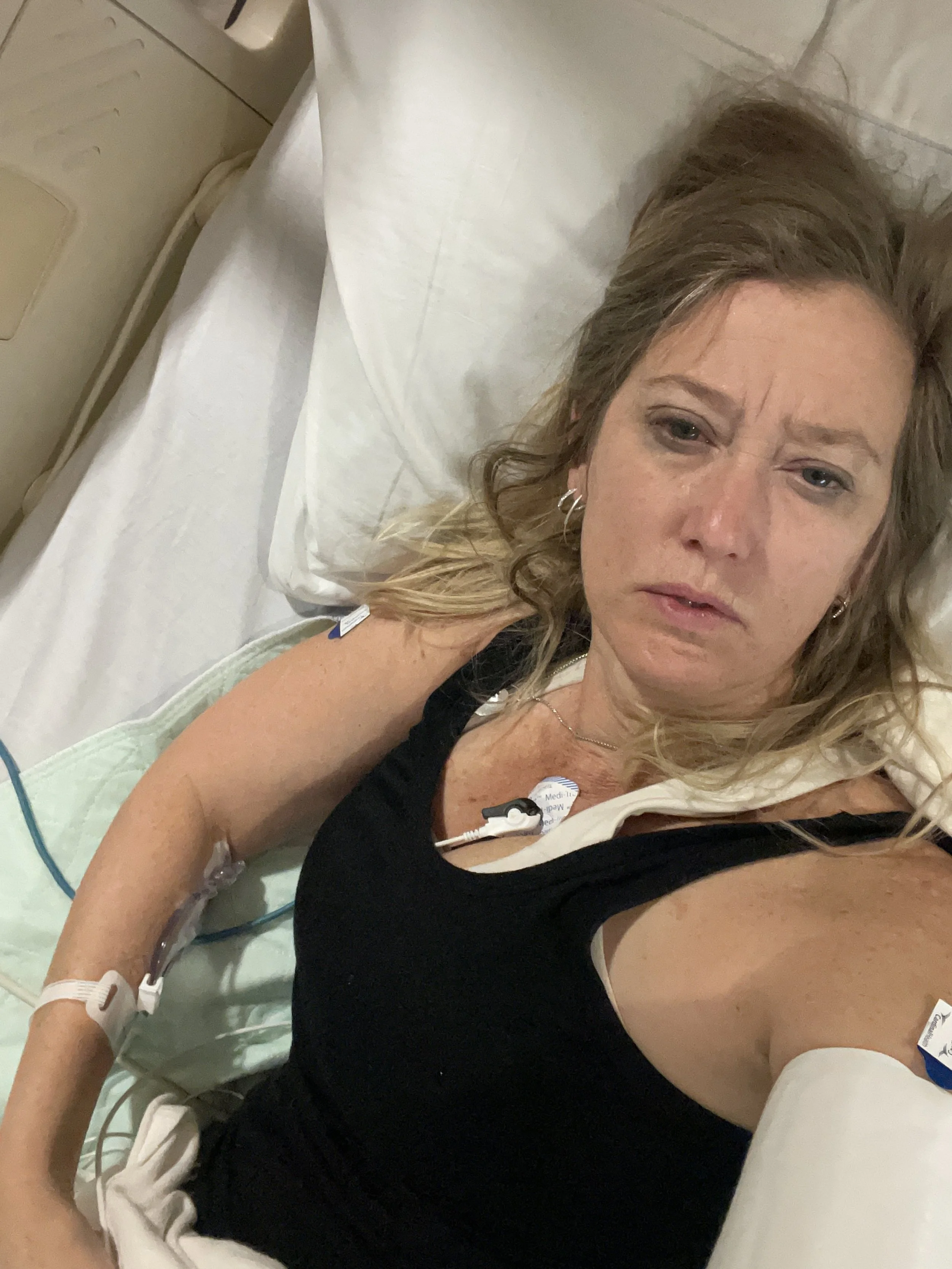
The room is white. Not soft, not comforting, but clinical, relentless. White stretches across walls and ceiling, across floors that gleam too brightly, across the sterile curtains that divide each bed like a library of suffering catalogued and waiting. I lie in it, small, exposed, the edges of my body flattened against the mattress as if I could be smoothed out entirely. Everything hums with observation. Machines, voices, shoes on linoleum. I am under constant measurement.
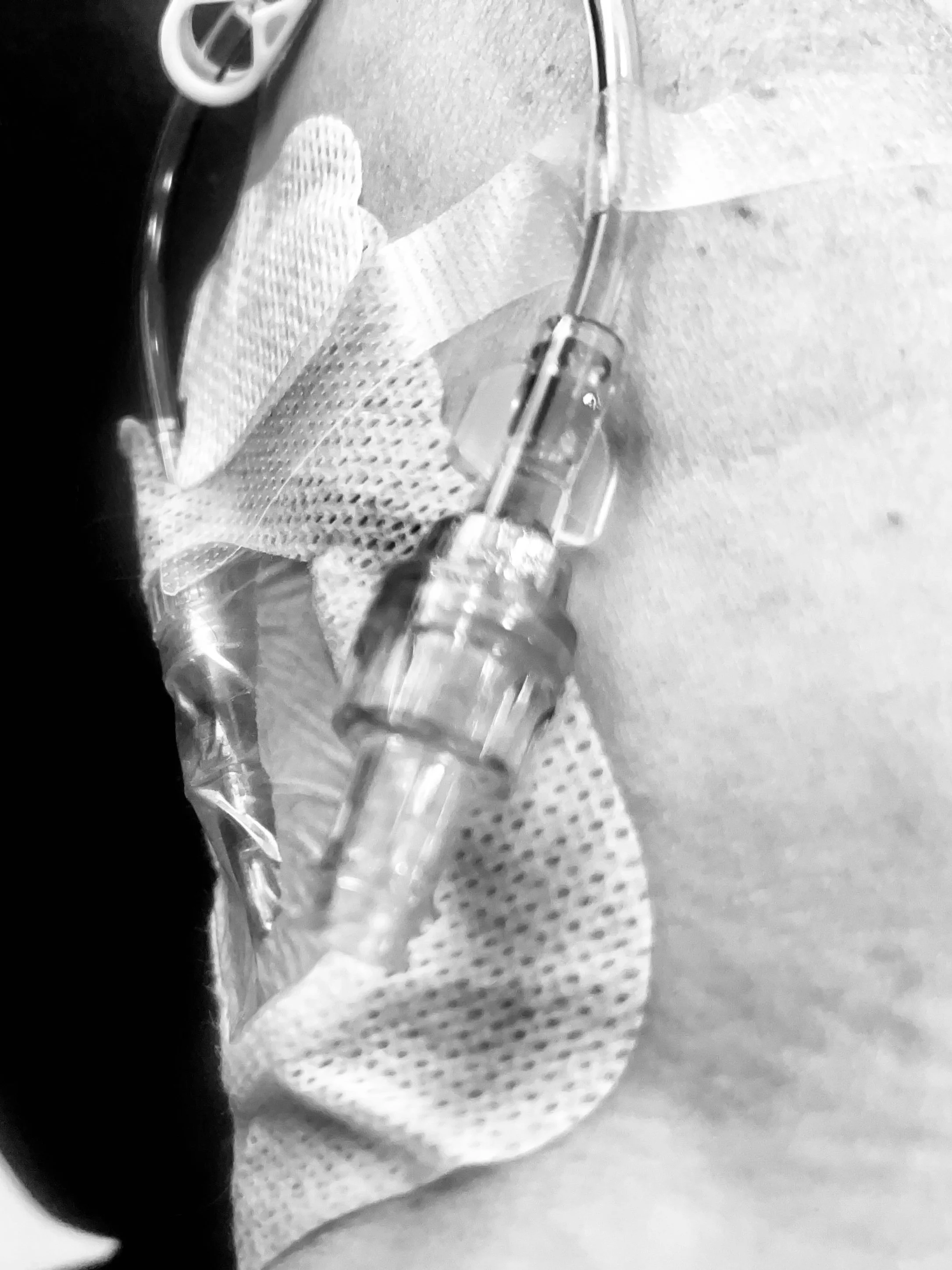
My heart is dying. They tell me it is stress cardiomyopathy. A heart giving up not from clogged arteries or infection but from grief, strain, and the cumulative weight of years spent enduring. My chest is a cage. My mind is a hammer striking the bars. They call it clinical, neat. I call it accumulation. The world does not believe in slow collapse. It does not honor the subtle betrayals of the body that begin long before a diagnosis. They call it stress, but this is not the stress of a deadline or a traffic jam. This is structural. Layered. Deep in the marrow.
I lie with my eyes open and listen to the beeping of a machine that is both mine and not mine. It mimics life, yet feels borrowed, a translation I cannot trust. Sometimes I wonder if I am truly here or only being observed. I imagine a line drawn between what is visible and what is invisible, and I realize I have lived my life mostly in the invisible. There is a private vocabulary for survival that no one else can speak. It involves bracing. It involves silence. It involves learning to disappear without moving.
The nurses are gentle. They check my pulse, adjust the sheets, offer water. They smile, they count, they measure. Their hands are soft, but their authority is exacting. They are courteous custodians of life at the threshold. And I feel the quiet weight of shame. The shame of having my inner life, my interior terror, reduced to a chart. My mind has been unraveling for months. Years, in some ways. And here it is invisible to them. No machines beep for the unraveling. No one presses a button to quantify grief.
I think about my past. About the small betrayals I internalized, the survival strategies I honed. I learned to perform strength. To smile while my interior collapsed. To function, because the alternative was being overlooked entirely. I learned that endurance is praised. Vulnerability is dismissed. Pain without visible evidence is treated as exaggeration. I remember my own disbelief at my suffering, how I policed it internally because I feared the world's response.
And yet, here in the hospital, I cannot hide. The body insists on being heard. The chest tightens, the pulse stammers, the hands tremble. Stress cardiomyopathy names what the world refuses to see, but it cannot capture the interior landscape of terror. The body has a memory that predates diagnosis. It remembers every unspoken panic, every memory I swallowed, every time I held still to survive.
I lie in the cardiac unit and consider the paradox: survival has been my life’s work, but my heart nearly quit. How many times have I preserved the self I could show to the world while the private self atrophied beneath? How many times did I mistake functionality for health, composure for resilience? How many years did I compress myself into efficiency to avoid shame?
The interior dialogue is relentless. You are still here, it whispers. You are still breathing. You have not disappeared entirely. And still, doubt seeps in. What if this is the beginning of the end? What if the collapse was inevitable, only delayed? How much is my body willing to endure before it demands the attention I have denied it for decades?
There is an uncanny awareness in this situation. I am observing myself while being observed. I notice the subtle differences between the bodies in this room. The ones whose collapse is obvious, whose presence warrants alarm, whose pain is visible and therefore treated with urgency. And then there is me, whose crisis is both catastrophic and intimate, whose interior world has caused the same measurable failure yet receives a muted response. The body becomes a messenger for the unspoken mind. And yet the world favors tangible signs of danger. The heart is applauded. The brain is quietly dismissed.
I imagine my life as a series of waiting rooms, each one teaching me the difference between public and private crises. Each one offering a cruel etiquette of suffering. When the flesh fails, people respond. When the mind fails, they look away. And I have learned, through years of experience, to accommodate this discrepancy. I have learned to survive invisibly. To keep walking, keep speaking, keep functioning, even when the interior threatens to fold entirely.
And still, here, the heart insists on beating. Against the logic of collapse, against the weight of memory and grief, against every reason to stop, it beats. It is stubborn. It is practical. It refuses to surrender. And in that refusal, I find something profound. The body can demand attention when the mind cannot. The heart can insist on life in ways the brain never could.
At three in the morning, when the hallways are quiet, I talk to myself. You are still here. You have not disappeared. You are alive. And the words feel like small victories. Each breath becomes a protest. Each pulse a statement. The machines blink and beep. The floor smells of antiseptic and faint coffee. I am aware that the world has moved on outside these walls, unaware of the quiet terrors inside. And yet this does not matter. Survival is a private act, and it is sufficient.
I think of the women I have been and the self I have carried. Each one folding under pressure. Each one learning to contain terror, to maintain appearances, to endure without acknowledgment. And I realize the internal collapse is as potent as any external one. The heart betrays me physically, but the mind has betrayed me in ways more subtle, more persistent, more invisible. It is remarkable that either has survived.
I am learning that the practice of survival is quiet, iterative, and patient. It is not dramatic. It is waking each morning, stretching, placing one hand over my chest, listening, noticing, breathing. It is pressing fingers into paint, into words, into something tangible. It is reminding oneself, constantly, that life continues even when recognition is absent. The interior life is enough. Persistence is enough. Breath is enough.
I leave the cardiac care unit carrying more than a pulse. I carry memory. The nights spent staring at the ceiling when no one was watching. The mornings when I pressed my fingers to my chest, trying to remember what it felt like to be whole. The small betrayals of endurance, the private collapse no one validated. Each of these moments has folded into the body, etched into my sternum, tucked into my lungs, burned into my nervous system. They have taught me something no diagnosis could. Survival is stitched from fragments of memory, and each fragment matters.
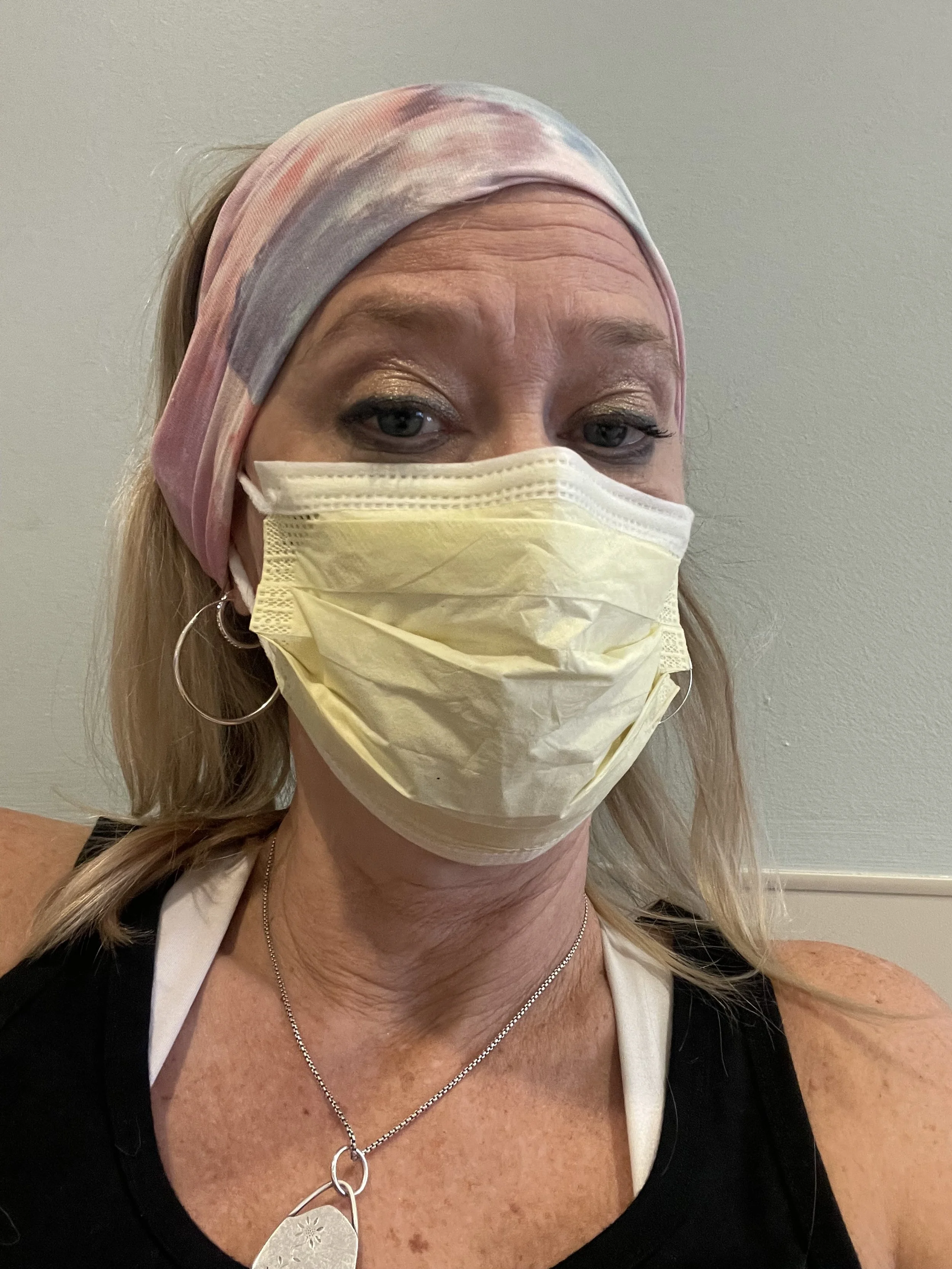
Outside, the world moves as it always has, indifferent and unyielding. I walk among it carrying all that I have survived. I feel the pull of past crises in every step, a reminder that my heart knows how to endure, and my mind knows how to witness, even when the rest of the world does not. I remember the faces of people who did not see me, the quiet rooms where my panic went unnoticed, the small moments of shame and shame’s refusal to leave. I remember the first time I realized I could be both alive and haunted, that endurance could coexist with despair.
And then I remember something else. I remember the first day I let myself truly create again. Paint smeared across paper. Words spilled like water from a cracked vessel. The moment I realized that survival is not simply breathing. It is the act of leaving something behind. Something that carries the proof of existence, the proof of pain, the proof of having endured. My life is a ledger of these small victories, each one echoing with the memory of the ones that nearly broke me.
I carry all of it—the failures, the tremors, the nights of listening to my own borrowed heartbeat—and I let it settle around me. I do not ask for recognition. I do not ask for applause. I do not even ask for understanding. I only ask for acknowledgment of reality: that a life can survive trauma and still insist on its own presence, that a heart can falter and yet refuse to quit, that memory itself is a vessel of resilience.
I walk into sunlight and remember the girl I once was, the woman who learned to hide, the body that would not stop betraying her, and the heart that kept insisting, against every reason, that life was worth it. I see the rows of hospital beds in my mind, the machines, the beeping, the sterile curtains. I feel again the women I have been and the women I will still become. Survival is not a single moment, nor a single heartbeat. It is a thread. A memory. A pulse that runs from the past into the present and onward into a future no one can predict.
And so I continue. One breath at a time. One pulse at a time. One quiet acknowledgment of being alive at a time. My memory is a lighthouse. My heart is a bell. My survival is the slow insistence of presence against the world’s indifference, against invisibility, against forgetting. And in this I understand finally that memory is power. That to remember, to carry, to honor one’s own story is the most radical act of survival there is.