I AM: Decent Into Depression
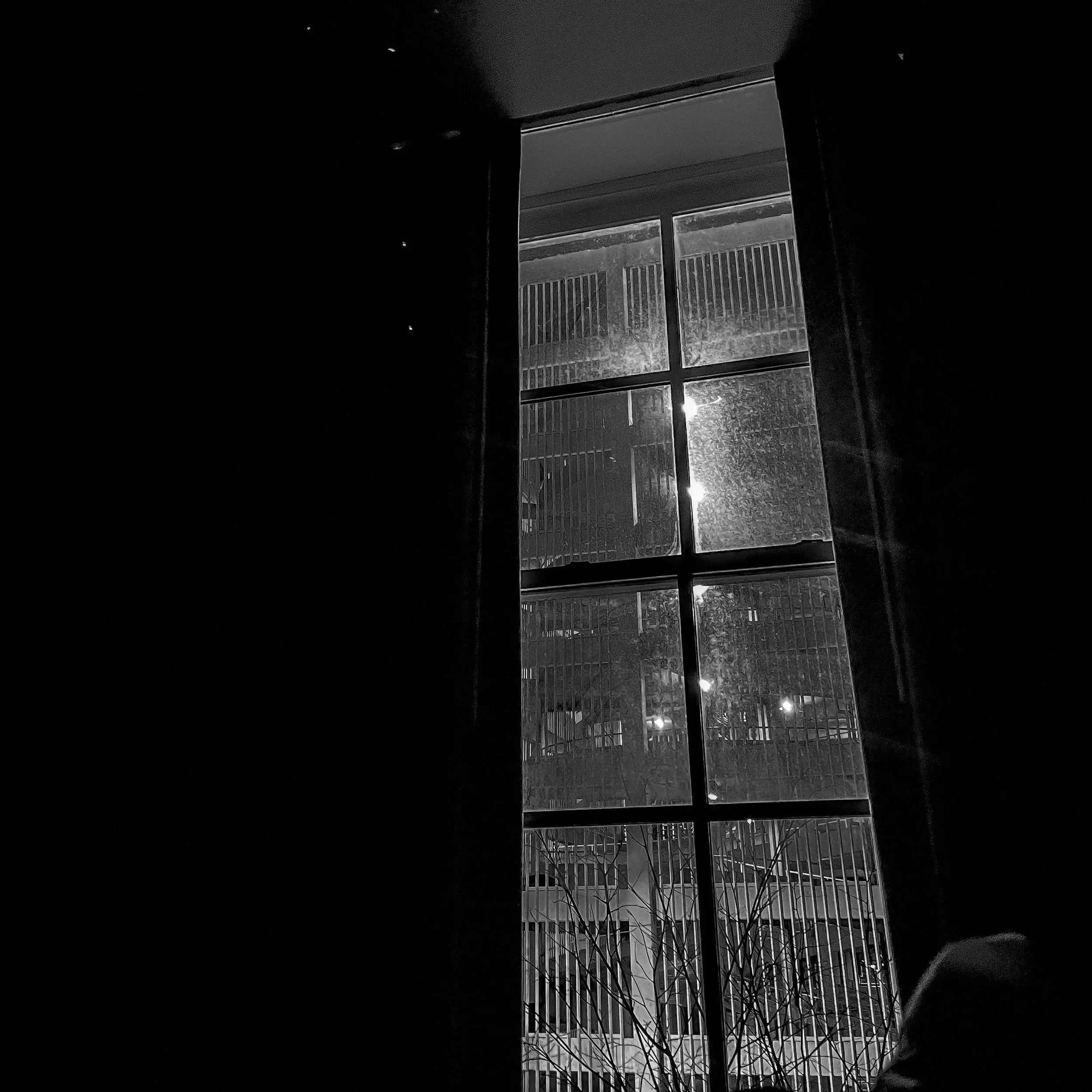
The descent into depression is never predictable. Sometimes it creeps, soft and insidious, a slow erosion of color, sound, and gravity. Other times, it crashes over me like a storm I cannot see coming, leaving the world unfamiliar and threatening. December has always been the month when this phenomenon becomes both predictable and inescapable. I have spent more than thirty Decembers cataloging how my mind and body betray me, measuring with clinical precision the ways in which my tools, medications, and decades of therapy fail. Yet each December arrives, certain and uncompromising, and I am reminded anew of my fragility.
“December is the month when depression becomes both predictable and inescapable.”
I live with treatment-resistant ultra-rapid cycling bipolar I disorder with mixed features. That label is both accurate and meaningless. It fails to capture the velocity of thought, the terror, and the sense of being fully present while entirely absent. It fails to capture CPTSD, panic disorder, severe generalized anxiety disorder, and acute OCD and agoraphobia on my worst days.
I have survived more suicide attempts than I can count. Two landed me in the ICU. Several others required stays in psychiatric wards. The rest were simply overlooked, quietly ignored, or politely avoided by the family who could not, or would not, acknowledge the depth of my pain. I slept off the drugs. I muddled through. I learned early that people avert their eyes from what they cannot fix.
I have been told that my “addictive personality,” expressed through alcoholism, disordered eating, and cutting, is merely a collection of maladaptive coping mechanisms. My reptilian brain, I am informed, created these behaviors to shield me from a world that has always seemed hostile. Trauma responses, they call them, as though that terminology could soften the raw edges of self-destruction.
It does not. Knowledge is not a salve. Research is not a cure. Insight is not enough.
“Knowledge is not a salve. Research is not a cure. Insight is not enough.”
Despite therapy, research, education, consultation with specialists, and decades of careful observation of dysfunctional families shaped by trauma, addiction, and abuse, I still find myself submerged in the muck.
Depression is not just lying in bed. It is lying in bed and feeling every nerve, every muscle, every tremor of the body that has become a battleground. Muscle spasms that make the flesh scream. Electrical shocks running down the spine like fire. Tremors that shake the skeleton. Feverish sweats that leave the skin raw. Migraines that hammer the skull. Teeth grinding into pulp. Jaw locked, vision blurred, heart hammering, mind screaming, suspended for hours in indescribable terror.
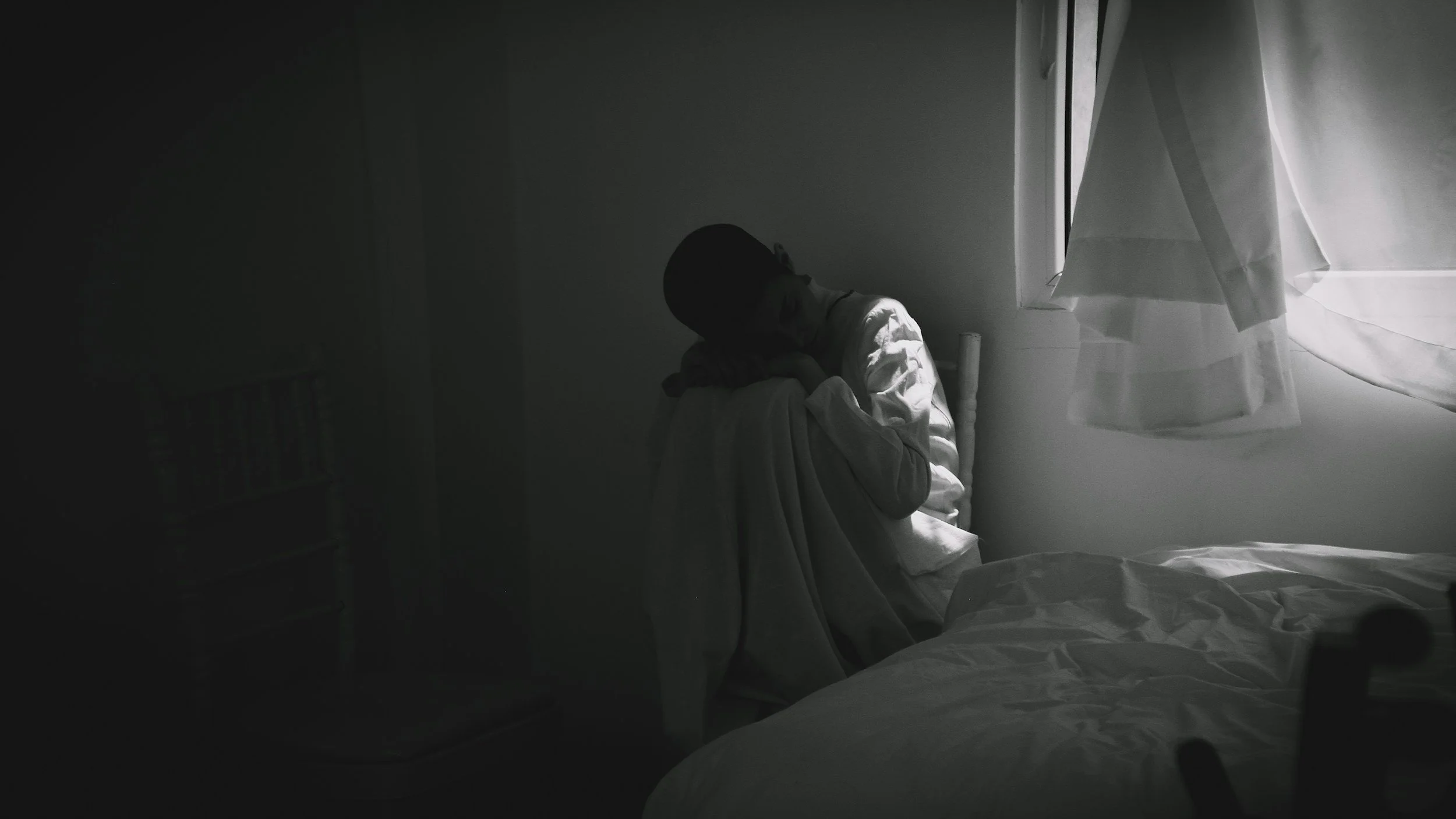
Depression is also the absence of light. It is the absence of warmth, of love, of a life that feels worth living. It is the void into which hope is swallowed before I have the chance to grasp it.
My mind combusts with a violence unique to those who experience clinical black mania. Every insult ever uttered, every fear ever whispered, every shame ever endured surges forward with a force so intense it is as if I am drowning while my body is aflame. The velocity of it is unbearable. Death, at times, does not feel like surrender. It feels like the only conceivable relief.
“Depression is the absence of light, of warmth, of a life that feels worth living.”
The sadness is not only physical. It is the slow, relentless erosion of self. It is the ache of wanting to be seen but fearing I will only be ignored or dismissed. It is the grief of remembering what life could have been and mourning the person I once was or might have been.
It is the soft, insistent whisper of inadequacy that accompanies every breath, every thought, every attempt to function. It is the deep, gnawing loneliness that cannot be remedied by anyone outside the fragile fortress of my own endurance. Even when I am seen, it is with half-measured eyes, with discomfort, with avoidance.
December amplifies it. Every holiday, every calendar page, every flickering light becomes a reminder that the world moves on, and yet I am suspended. Time stretches and contracts, tethered to a body and mind that refuse to relent.
The rituals, the gatherings, the small joys that others take for granted become tests of survival. I move through them like a ghost, present in body but absent in spirit, each step an effort that could collapse under its own weight.
I write this because observation matters. Naming the terror, cataloging the bodily response, acknowledging the mind that spins faster than it can contain itself is a kind of refuge. There is dignity in witness. In seeing what is happening without flinching. In recording the hours spent shaking, sweating, trembling, thinking, and wishing.
There is dignity in survival, in being present, however fractured, however trembling, however unwilling.
This is what depression looks like for me: mind alight with terror, body wracked by pain, self in perpetual negotiation with survival. It is relentless and variable, familiar and alien. It is inseparable from my life, from memory, from reflection, from years of therapy and painstaking self-study.
I cannot promise reprieve. Not entirely. Not ever. But I can promise witness. Witness to the body and mind that endure. Witness to the hours in bed that stretch into days. Witness to the terror that flares and fades.
And even in the storm, I am here. I am present. I survive.